

Last Updated: November 14, 2026
Quick Summary
Most custom jewelry takes several weeks from the first consultation to final delivery. Simple designs can move faster, while intricate pieces, rare stones, or several rounds of revisions add time. Ask for a written timeline before you commit.
- Simple designs typically take about 3 to 4 weeks.
- Moderate designs typically take about 4 to 6 weeks.
- Complex or heavily customized designs take 6 weeks or more.
- A clear brief at consultation is the biggest lever on the schedule.
- Each revision round adds time, so review ring size, stone placement, and finish in one pass.
Table of Contents
- How Long Custom Jewelry Usually Takes From Start to Finish
- Stage-by-Stage Timeline for a Custom Piece
- Custom Jewelry Design Process: Consultation, Sketch and Approval
- How Long It Takes to Make a Custom Ring
- How Long It Takes to Set a Diamond in a Ring
- Custom Engagement Ring Timeline and Factors That Change It
- Planning Around a Fixed Date and Keeping Your Order on Schedule
- Booking Your Custom Piece at Eklektic
- Frequently Asked Questions
How Long Custom Jewelry Usually Takes From Start to Finish
Most custom jewelry takes several weeks from the first consultation to final delivery. Simple designs can move faster, while intricate pieces, rare stones, or several rounds of revisions can add time.
The exact timeline depends on the piece. A plain band with a standard stone moves quickly, but a one-of-a-kind design with hand-set stones takes longer. At Eklektic, much of the work, from design through casting, stone setting, and finishing, happens in our Houston studio.
Here is what most clients should plan for:
- Simple designs: about 3 to 4 weeks
- Moderate designs: about 4 to 6 weeks
- Complex or heavily customized designs: 6 weeks or more
- Rush orders: possible for some pieces, but often with trade-offs in detail or design changes
Ask for a written timeline before you commit.
Stage-by-Stage Timeline for a Custom Piece
Every custom piece moves through the same basic stages, but the time each stage takes depends on the piece and on how quickly decisions get made. The table below shows what most clients should expect, followed by the details that actually drive the schedule.

| Stage | What Happens | Typical Time |
|---|---|---|
| Consultation | You share ideas, budget, and event date; the jeweler reviews stones and metals | 1 to 2 days |
| Design and sketch | Designer draws or models the piece, by hand or in CAD | 3 to 7 days |
| Client approval | You review and request changes; each revision round adds time | 2 to 5 days |
| Model and casting | Wax model is carved or printed, then cast in metal | 1 to 2 weeks |
| Stone sourcing and setting | Stones are located, matched, and set | 3 to 7 days |
| Finishing | Polishing, sizing, engraving, and final quality checks | 2 to 4 days |
Consultation. This is where the clock effectively starts. Bring photos, inherited pieces, or sketches, and state your metal preference, stone size, and budget range up front. A clear brief here is the single biggest lever on the rest of the schedule, because vague input produces more revision rounds later.
Design and sketch.
Client approval. This is the stage most clients underestimate. Once you sign off, production starts, and changes after that point can add time and cost. Review ring size, stone placement, metal color, and finish in one pass rather than in several rounds.
Model and casting. A wax model is carved or 3D-printed, then cast in the chosen metal. Pieces with many small parts, such as a multi-stone band, take longer to assemble after casting.
Stone sourcing and setting. If the stone is already in the studio, setting can begin as soon as the metal is ready. If a specific cut, color, or size must be located, that search can run in parallel with casting but can also become the bottleneck.
Finishing. Polishing, sizing, engraving, and a final inspection close out the project. This is also where a resized ring or a last-minute engraving request can push the delivery date.
How the stages differ by piece type. Engagement rings usually spend the most time in stone sourcing and setting. Pendants and earrings often move faster because they have fewer stones and simpler structures, but matched pairs of stones for earrings can add sourcing time. To get a sense of how a pendant style is designed, you can browse our crucifix necklace with diamonds guide before commissioning your own piece. Bracelets and redesigns of inherited pieces can take longer because the jeweler must first assess and sometimes repair existing metal and stones before new work begins.
Custom Jewelry Design Process: Consultation, Sketch and Approval
The design stage decides how smooth the rest of the project will be. A clear brief at the start prevents revisions later.
Bring any photos, inherited pieces, or sketches that show what you like, and tell the jeweler your metal preference and stone size.
Once you sign off on a design, production starts, so review the sketch carefully, including ring size, stone placement, and finish.
How Long It Takes to Make a Custom Ring
A custom ring typically takes several weeks from consultation to completion. Complex designs may take longer.
Ring timelines depend on three main factors:
- Design complexity: Pave settings, halo designs, and multi-stone bands take more hand work.
- Stone availability: Specific diamonds or gemstones can take time to source.
- Your decision speed: A quick approval keeps the project moving.
Plan ahead if you need a ring for a specific date, allowing room for revisions and unexpected delays.
How Long It Takes to Set a Diamond in a Ring
Setting a stone is a precise job, and it can take longer for small or multi-stone designs. Pave settings with many small diamonds take far more time than a single solitaire.
Ask your jeweler how many stones are in the design and whether any must be sourced from outside the studio. That answer tells you a lot about the timeline.
Custom Engagement Ring Timeline and Factors That Change It
Custom engagement rings can take time because each one is made to order. The main factors that can change the timeline are:
- Design details: Intricate designs and custom shapes take more time to make.
- Center stone sourcing: Specific cuts, colors, or sizes may need to be located first.
- Metal choice: The metal you choose can affect production time.
- Revisions: Each round of changes can extend the timeline.
If you are comparing costs as well as timing, read our guide on custom engagement ring cost: what to expect in 2026 before you finalize your budget.
Planning Around a Fixed Date and Keeping Your Order on Schedule
If you need a piece for an anniversary, wedding, proposal, or gift date, work backward from the date rather than forward from today. A simple backward plan looks like this:
- 8 to 10 weeks out: Book the consultation and bring reference images, inherited pieces, and your budget range.
- 7 to 8 weeks out: Approve the design direction and confirm metal and stone choices.
- 6 to 7 weeks out: Sign off on the final sketch or CAD model so production can start.
- 4 to 5 weeks out: Confirm stone sourcing is complete or on track.
- 2 to 3 weeks out: Review progress photos and confirm sizing and engraving details.
- 1 week out: Schedule pickup or confirm shipping and inspect the finished piece.
For a custom engagement ring, allow ample time and add buffer time in case of delays. The buffer matters more than the estimate, because a single delayed stone or an extra revision round can consume a week on its own.
Questions to ask before you commit. A reliable timeline estimate depends on what the jeweler is actually quoting. Ask:
- When does the clock start, at the consultation or at design approval?
- Which milestones are included in the quoted date?
- Does the date cover completion, pickup, or shipping?
- Is the work made in-house, sent to an outside workshop, or dependent on a supplier?
- What happens to the schedule if a stone must be sourced or a revision is requested?
- How will you be updated at each stage?
Habits that keep a project on track. Respond to sketches and questions promptly, and confirm stone sourcing before you approve the final design. If you are choosing a stone, see how to choose the perfect gemstone for a custom ring so that decision does not become the bottleneck.
Booking Your Custom Piece at Eklektic
If you are planning a custom piece in Houston, our studio handles much of the work, including design, casting, stone setting, and finishing, in one place.
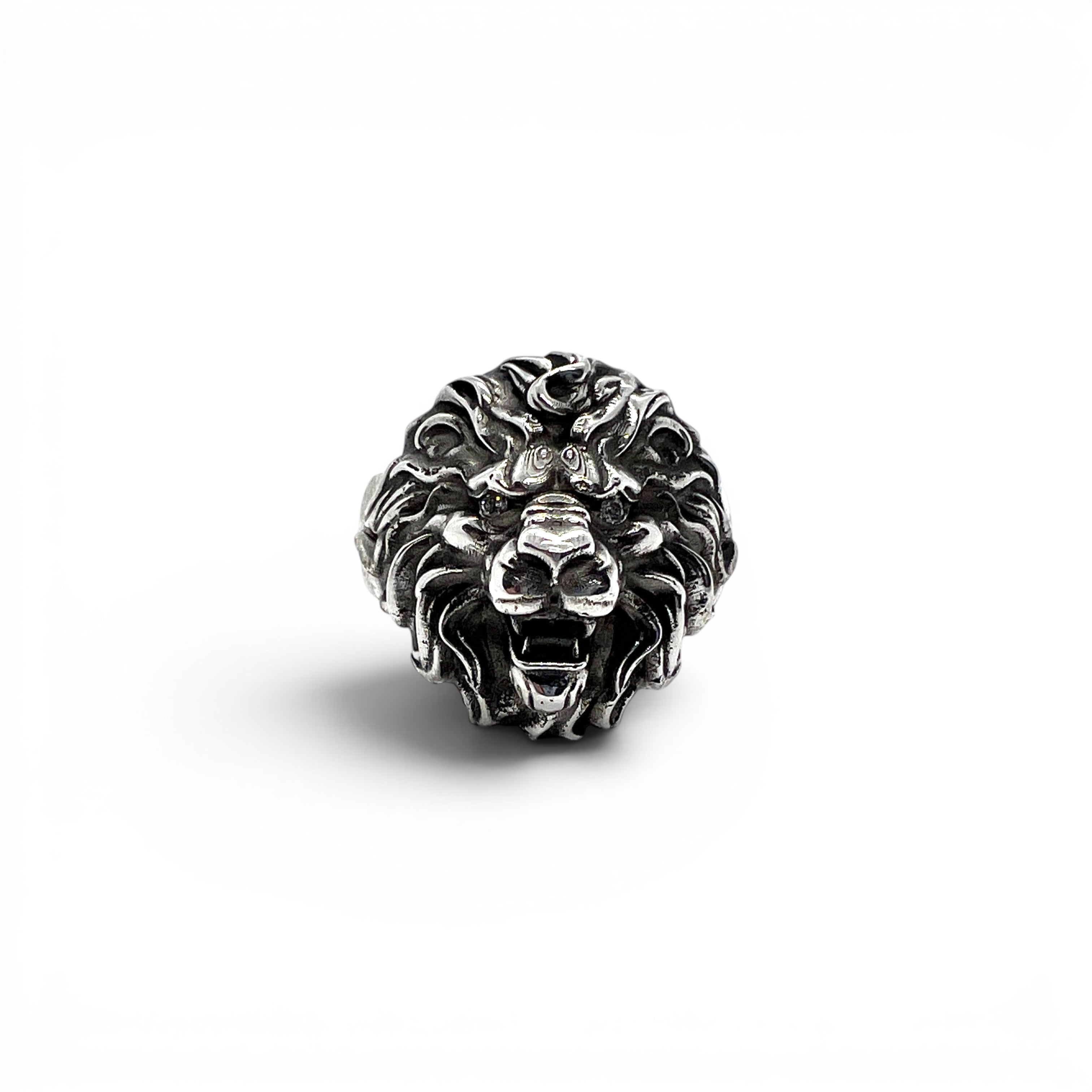
Browse our Sterling Silver Lion Ring with Diamonds for an example of finished custom-style work, and review our custom jewelry design guide to see what to prepare before your consultation.
Ready to start your piece? Book your consultation with Eklektic and get a clear timeline for your project.
Frequently Asked Questions
How long does it take to get custom jewelry made?
Custom jewelry typically takes several weeks from the first consultation to final delivery, and complex designs take longer. Ask your jeweler for a written timeline before you commit to a date.
How long does it take to set a diamond in a ring?
Timing depends on the number of stones and the setting style, so a pave or cluster design can take longer than a single solitaire. Confirm the setting stage separately when you request your timeline.
What can delay a custom jewelry order?
Common causes of delay include slow design approval, changes requested after production begins, and stone sourcing when a specific diamond or gemstone must be located. Design complexity also adds time. Responding quickly to sketches and deciding on stones early helps keep a project on schedule.
Can a custom jewelry piece be made by a specific date?
It can, if you give the studio your deadline at the first consultation. Plan backward from the event date, allowing time for design approval, production and a review period. Ask the jeweler whether your date is realistic before paying a deposit.
